
When Should I Winterize My Sprinkler System in Indiana or Illinois?
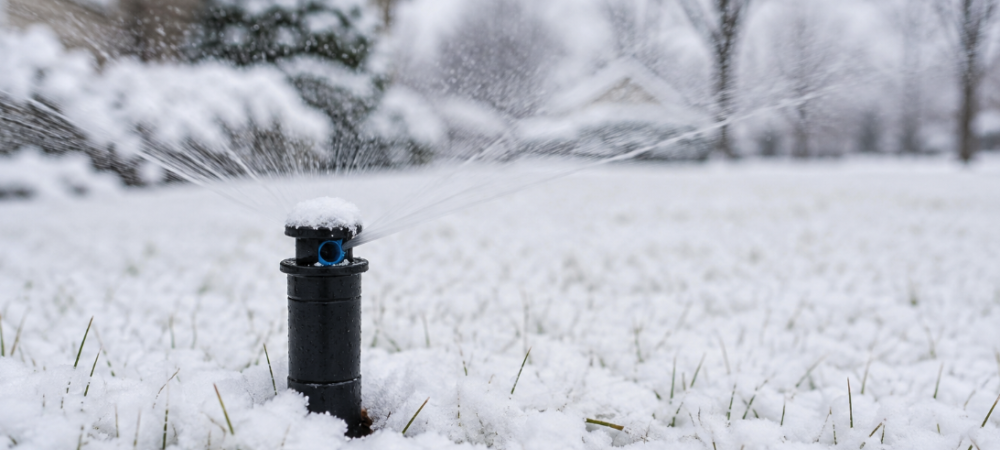
As summer comes to an end, it's time to start thinking about preparing your sprinkler system for winter. In Indiana and Illinois, freezing temperatures can put irrigation pipes, valves, sprinkler heads, and backflow components at risk if water is left inside the system.
When Should You Winterize Your Sprinkler System?
The best time to winterize your sprinkler system is after you're finished using it for the season but before freezing temperatures become common. In most cases, sprinkler systems should be winterized in September or October, before sustained freezing temperatures arrive. The exact timing depends on where you live and the weather each year, so it's important to consider local conditions rather than relying on a specific calendar date.
A single cold night isn't necessarily cause for alarm, but repeated freezing temperatures increase the risk of water freezing inside your irrigation system. Since frozen water expands, it can put pressure on pipes and other components.
A good time to schedule winterization is when:
- You've finished watering for the season.
- You no longer need regular irrigation.
- Overnight temperatures are approaching freezing.
- A stretch of freezing weather is in the forecast.
Rather than relying on a specific date, plan to winterize once you're finished using your irrigation system and before sustained freezing temperatures arrive. Keep an eye on the fall forecast, especially as overnight temperatures begin approaching 32°F. Don't wait for the first hard freeze if you can avoid it. Winterizing ahead of time gives you a better chance of protecting the system before freezing conditions set in.
What Temperature Is Too Cold for a Sprinkler System?
There isn't a single temperature that determines exactly when every sprinkler system needs to be winterized. The system's design, exposed components, and local weather conditions all matter.
The bigger concern is prolonged or repeated freezing weather. If your irrigation system still contains water when temperatures stay below freezing, that water can expand and potentially damage pipes, valves, fittings, sprinkler heads, or backflow preventers.
What Happens During Sprinkler System Winterization?
Winterization is designed to remove as much water as possible from the irrigation system before freezing weather arrives.
While the exact process varies by system, it typically includes:
- Shutting off the water supply: The irrigation water source is turned off to prevent more water from entering the system.
- Draining accessible water: Water is removed from areas of the system where it can be safely drained.
- Clearing irrigation lines: Compressed air is often used to push remaining water out through the sprinkler heads. This is commonly called a sprinkler blowout or irrigation blowout.
- Protecting above-ground components: Backflow preventers and exposed piping may require additional draining or protection because they are particularly vulnerable to freezing.
- Adjusting the controller: Once winterization is complete, the irrigation controller can be turned off or placed in an appropriate seasonal setting.
What Happens If You Don't Winterize Your Sprinkler System?
Leaving water in your irrigation system over winter can result in costly damage. When water freezes and expands, it can put pressure on components throughout the system.
Potentially affected parts include:
- Pipes and fittings
- Sprinkler heads
- Irrigation valves
- Backflow preventers
- Above-ground piping
Damage isn't always immediately obvious. A system may appear to work normally until it's turned back on in the spring, when leaks or other problems become apparent.
Can You Winterize a Sprinkler System Yourself?
Some homeowners choose to winterize their own systems, but sprinkler blowouts require the right equipment and technique.
Using too much compressed air can damage irrigation components, while insufficient air may leave water behind. You also need to know how the system's zones, valves, drains, and backflow components are configured.
If you're unfamiliar with your irrigation system or don't have the proper equipment, contacting a professional may be the better option.
What If I Missed the Ideal Winterization Window?
If freezing temperatures are already in the forecast and your sprinkler system hasn't been winterized, it's best to address it as soon as possible.
Winterizing after one cold night may still help protect the system from future freezes, but if temperatures have already dropped significantly, it's a good idea to check for potential damage as well.
Going forward, aim to schedule winterization before the first significant stretch of freezing weather, rather than waiting until winter has already arrived.
Get Your Sprinkler System Ready for Winter
For homeowners in Indiana and Illinois, September and October are generally good months to start planning sprinkler winterization. The best time ultimately depends on when you finish using your irrigation system and when freezing temperatures are expected in your area.
Preparing ahead of the first significant freeze can help reduce the risk of winter damage and ensure your irrigation system is ready for the next watering season.
For help winterizing your irrigation system, contact our irrigation experts in Illinois and Indiana to learn more about sprinkler and irrigation services in your area.