
Aftercare for New Sod: What to Do After Installation
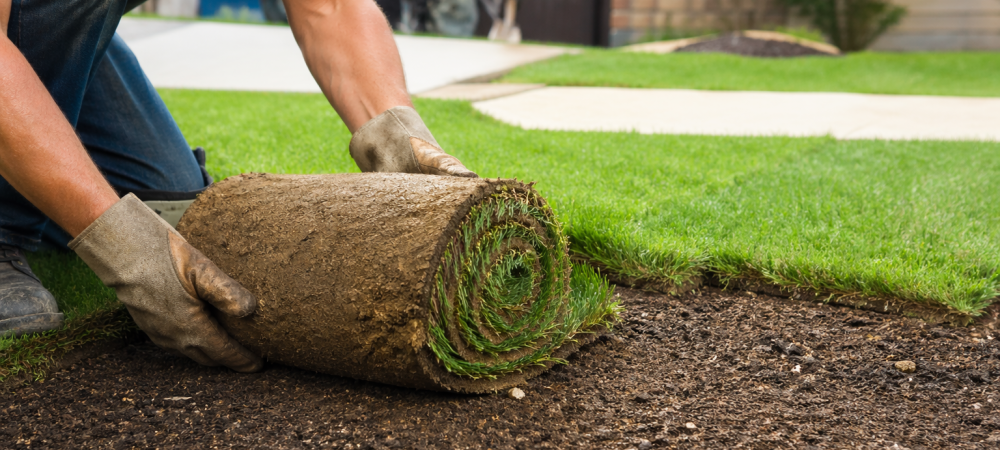
Getting new sod installed is a big step toward a healthier lawn, but what you do next plays a huge role in how well it actually takes root. The first few weeks are critical, and the right aftercare can mean the difference between a lawn that thrives and one that struggles.
How Should You Water New Sod?
You should water new sod frequently and consistently to keep it moist while roots establish. Right after installation, both the sod and the soil beneath it should be damp, not just the surface.
A simple watering schedule looks like this:
- Days 1–7: Water daily (or twice a day if it’s hot)
- Weeks 2–3: Water every other day, but more deeply
- After 3 weeks: Transition to a normal schedule
The goal is to prevent the sod from drying out while encouraging deeper root growth. If the grass starts to look dull or the edges curl up, it likely needs more water.
When Can You Walk on New Sod?
You should avoid walking on new sod for at least 2–3 weeks to give it time to establish roots. During this period, even light foot traffic can shift the sod or damage delicate root systems before they’ve had a chance to anchor.
After a couple of weeks, you can test a small area by gently pulling on it. If it feels firmly attached and doesn’t lift easily, it’s starting to take root and can handle light use.
When Should You Mow New Sod?
You can mow new sod once it reaches about 3–4 inches tall and has had time to begin rooting, which usually takes around 2–3 weeks. Mowing too early can pull up sections of sod or create uneven areas.
Before mowing, make sure:
- The ground isn’t overly soft or wet
- Your mower blades are sharp
- You’re not removing more than one-third of the grass height
This helps protect the lawn while it’s still establishing.
When Should You Fertilize New Sod?
You should wait about 3–4 weeks before fertilizing new sod to avoid stressing the grass too early. Fresh sod is still adjusting, and adding nutrients too soon can do more harm than good.
When you’re ready, be sure to use a balanced fertilizer suitable for new lawns and apply it evenly. Worried about doing it yourself? NatureScape Services's experts can provide professional services to support healthy root development without overwhelming the sod.
How Do You Know If Sod Is Taking Root?
You can tell sod is taking root when it feels firmly attached to the soil and begins to look more uniform. One of the easiest ways to check is by gently tugging on a piece—if it resists, roots are forming.
Other good signs include:
- Consistent green color
- Seams between pieces becoming less visible
- Less frequent drying between waterings
If you notice browning, shrinking, or gaps widening, something may need to be adjusted.
What Mistakes Should You Avoid After Sod Installation?
The most common sod issues come from a few avoidable mistakes, especially early on. Skipping proper care during the first few weeks can lead to long-term problems.
Watch out for:
- Underwatering or shallow watering
- Walking on sod too soon
- Mowing before it’s ready
- Letting edges dry out
Staying consistent with care early on gives your lawn the best chance to establish evenly.
What’s the Key to Long-Term Success With New Sod?
The key to long-term success is patience and consistency during the first few weeks after installation. Once your sod has rooted properly, it becomes much easier to maintain and will respond better to regular lawn care practices.
If you have questions about caring for your lawn or want professional help, contact NatureScape Services to learn more.